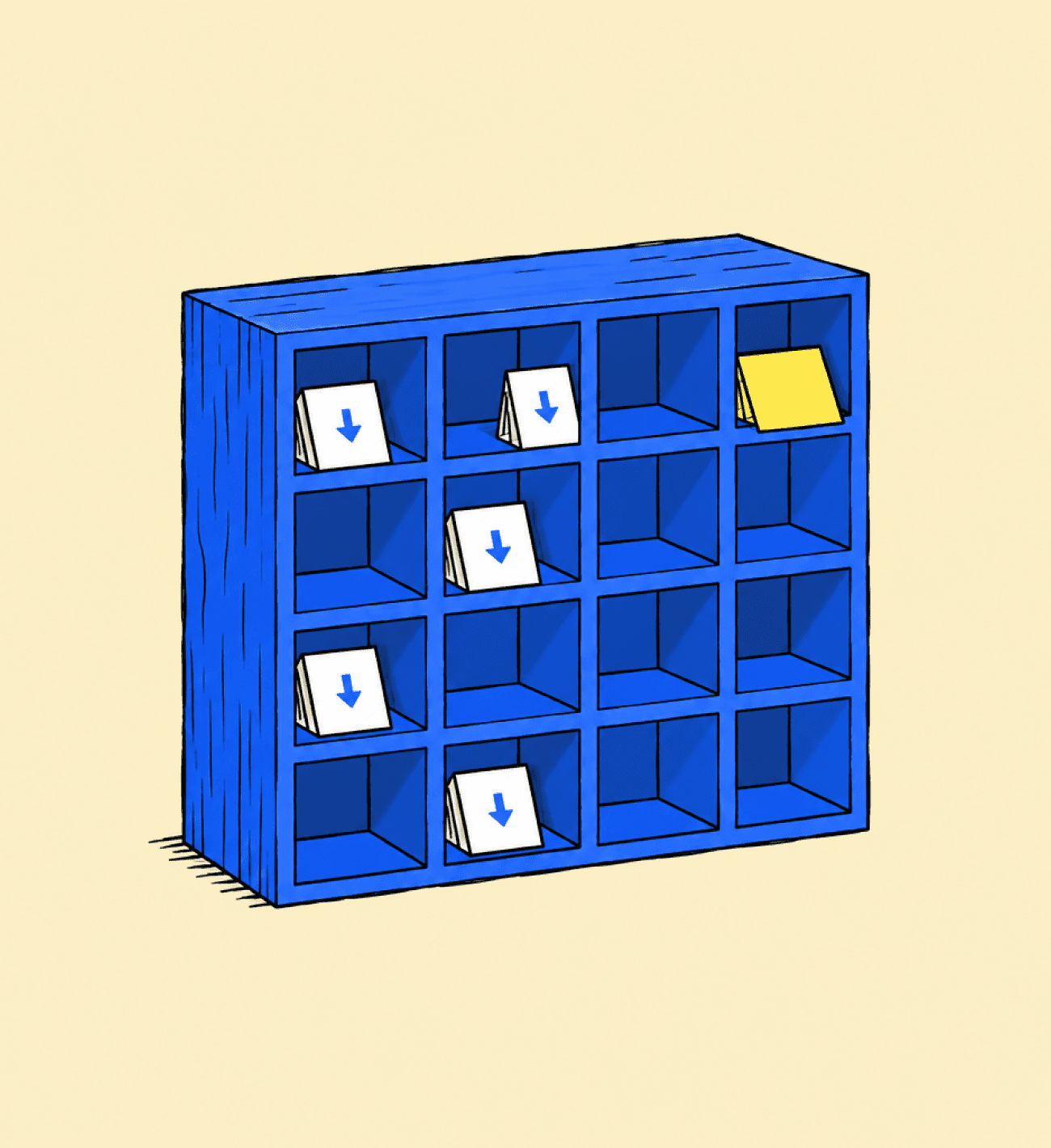
Definition
What it lists
Schedule CFL lists the losses that you carry forward. To carry forward a loss means to keep an unused loss and set it off against income of later years. The schedule shows each loss by year and by type. The types include house property, business, speculative business and capital loss.
Why the date you file matters
Schedule CFL asks the date that you filed the return for each year. Section 80 of the Income-tax Act, 1961 (Section 121 of the 2025 Act from Tax Year 2026-27) has the reason. You can carry forward a business or capital loss only if you filed the return by the due date.
What it means for you
File by the due date, even if you have a loss and no tax to pay. Check that each amount in Schedule CFL matches your calculation. These details follow the ITR-3 for Assessment Year (AY) 2026-27.
Example
Nikhil has a business loss of ₹3,00,000 for FY 2025-26. He files his return by the due date and lists the loss in Schedule CFL. Next year he earns ₹5,00,000 of business income. He sets off the loss, so he pays tax on ₹2,00,000.
Etymology
Origin
Timeline
1985
The Taxation Laws (Amendment) Act, 1984 makes Section 80 need a return filed in time.
1989
Section 80 needs a return under Section 139(3), filed by the due date, with no extension.
2026
Section 121 of the Income-tax Act, 2025 keeps the rule, with the return under Section 263(1).
Today
The ITR-3 for Assessment Year 2026-27 has Schedule CFL, which asks the date you filed each return.
Articles with this term

General information, not tax advice. Rules change, so check with a CA before you act.