Definition
What a derivative is
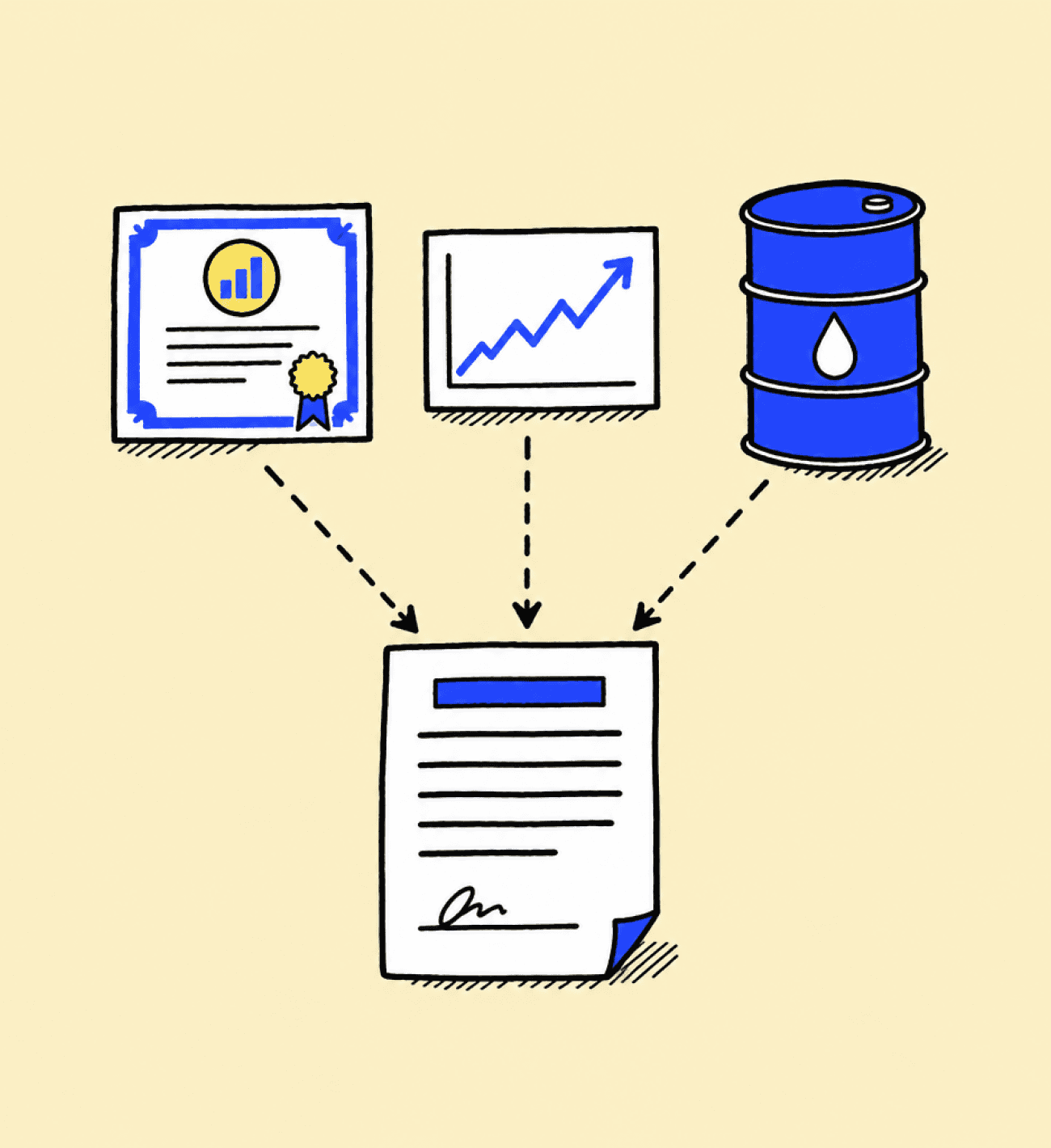
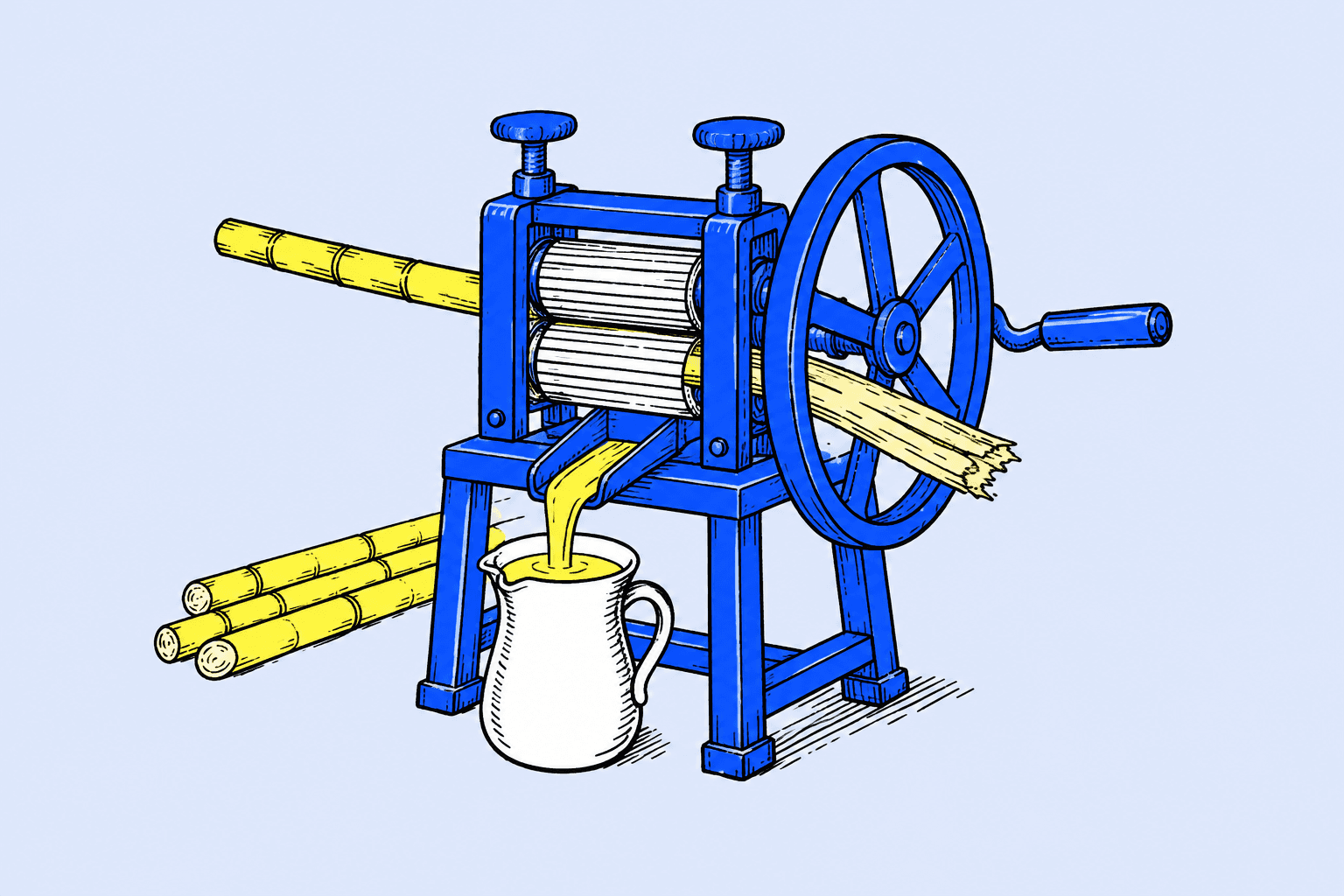
A derivative has no value of its own. Its value comes from an underlying asset, such as a share, an index or a commodity. Futures and options are two kinds of derivative.
Why people trade derivatives
Some people use derivatives to hedge. To hedge is to reduce the risk of a loss from a price change, such as a fall in the price of shares you hold. Others use derivatives to earn from price changes.
Derivatives and your tax
Section 66(33) of the Income-tax Act, 2025 covers derivatives that the Securities Contracts (Regulation) Act, 1956 defines, and also commodity derivatives. You must trade electronically on a recognised exchange, through a registered broker, with a time-stamped contract note. The income is then non-speculative business income.
Example
Neha owns 500 shares at ₹3,000 each, worth ₹15,00,000. She sells one futures lot of 500 shares at ₹3,000 to hedge. The price falls to ₹2,900. Her shares lose ₹50,000. Her futures contract gains ₹50,000. The gain equals the loss, before costs.
Etymology
Origin
Timeline
2000
The Securities Contracts (Regulation) Act, 1956 covers derivatives from 22nd Feb 2000.
2005
The Finance Act, 2005 makes securities derivatives on a recognised exchange non-speculative.
2026
The Income-tax Act, 2025 keeps this rule in Section 66(33) from 1st Apr 2026.
Articles with this term

General information, not tax advice. Rules change, so check with a CA before you act.