Definition
How a futures contract works
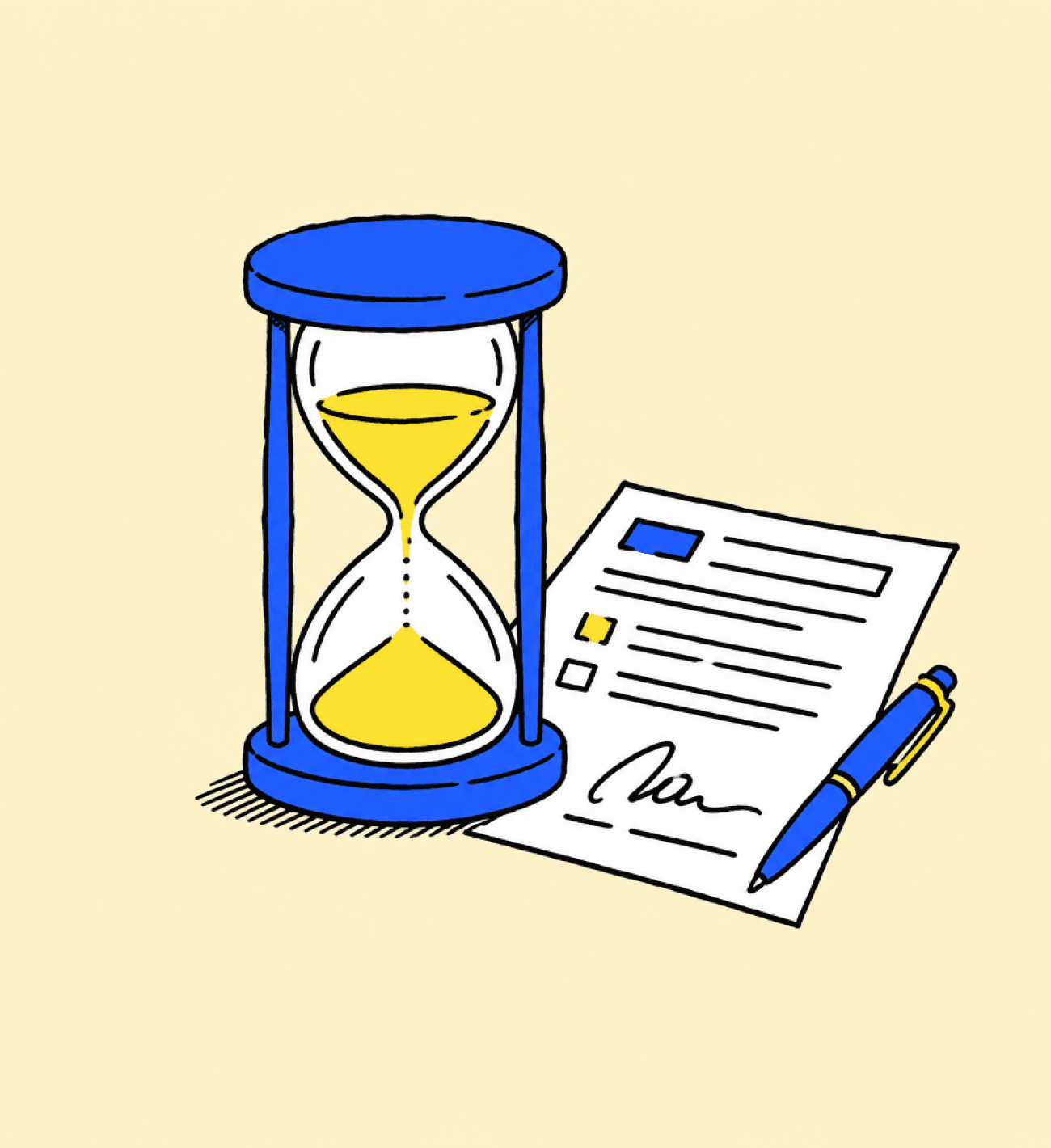
A futures contract fixes a price today for a trade on a future date. The contract has a fixed size, called a lot, and a fixed expiry date. Both the buyer and the seller must settle at expiry, by delivery or in cash. Either side can close the contract earlier. Index futures settle in cash.
What you earn or lose
If you buy and the price rises, you earn the rise on every share in the lot. If the price falls, you lose the same amount.
Futures and your tax
Futures income is non-speculative business income (Section 66(31)(a) and Section 66(33) of the Income-tax Act, 2025). From 1st Apr 2026, securities transaction tax (STT) on a futures sale is 0.05% of the trading price.
Example
Anil buys one lot of 500 shares in a futures contract at ₹3,000. The contract value is ₹15,00,000. He sells it at ₹3,040, a value of ₹15,20,000. His profit is 500 × ₹40 = ₹20,000. His STT is 0.05% × ₹15,20,000 = ₹760.
Etymology
Origin
Timeline
2000
NSE starts trading in Nifty 50 index futures on 12th Jun 2000.
2001
NSE starts futures on individual shares on 9th Nov 2001.
2026
The Finance Act, 2026 raises STT on futures sales from 0.02% to 0.05% from 1st Apr 2026.
Articles with this term


General information, not tax advice. Rules change, so check with a CA before you act.